What IKEA’s AI Rollout Can Teach Australian SMEs About Outsourcing (And Why Most Businesses Get It Wrong)
In 2023, IKEA’s parent company Ingka Group had a decision to make. Its new customer service AI, Billie, was designed to take over the work of roughly 8,500 call centre staff. Most businesses in that position do the obvious thing: cut the roles, book the savings, move on. Ingka didn’t. It retrained the cohort into a new service line that now turns over €1.3 billion a year. Same AI rollout, completely different outcome to most of the market. The difference wasn’t good luck. It was maths.
What did IKEA actually do differently?
Billie now handles around 74% of inbound enquiries, up from 47% in year one, saving Ingka roughly €15 million a year. Most businesses would stop there and call it a win. Ingka didn’t. It looked at what customers were still asking for that Billie couldn’t handle, and moved the freed-up humans into a Remote Interior Design Service. That service alone did €1.3 billion in FY22 sales. Customer satisfaction went from 60 to 89.
The AI didn’t replace the workforce. It repositioned it.
Why are so many businesses now reversing their AI decisions?
Because most of them only measured one side of the equation, the cost saved by cutting the role. Robert Half’s April 2026 survey of US hiring managers found 32% who eliminated a role citing AI have since rehired the same or a similar position, in some cases spending more on the rehire than they saved by cutting it in the first place. Finance is leading the backflip at 44%, HR at 35%, tech at 32%. A separate Inc. survey put leader regret at 55%.
The named cases are getting hard to ignore. Ford has rehired 350 veteran engineers after automation quietly failed on quality. IBM has committed to tripling its US entry-level hiring in 2026, having realised you can’t promote a mid-level engineer you never hired as a junior. Gartner found 22% of firms cut entry-level hiring for AI in the last year, the exact pipeline the rehiring wave is now scrambling to rebuild. Klarna quietly brought humans back after its 700-agent AI swap tanked customer satisfaction.
So is automation the problem?
No. IKEA proves that. The problem is businesses that count the savings on one line and stop, instead of asking what the freed-up capacity could actually earn.
Ingka measured two things when Billie went live: the money Billie would save, and the money the redirected labour could earn doing something else. Most of the market measured one. That single missing column is the difference between a genuine transformation and a rehire six months down the track.
What does this mean for your business?
We’ll put our hand up here too. We tried an AI receptionist for a while. It didn’t stick, and we moved reception back to a real person on our team fast. That’s not a knock on AI, it’s the same lesson IKEA’s story teaches: know exactly what you’re automating, what the plan is for the people and the calls it can’t handle, and don’t wait six months to find out it’s not working.
If you’re an SME owner looking at AI tools, chatbots, or an outsourced provider promising to cut your headcount costs, the question isn’t “will this reduce my costs.” It’s “when this tool takes over the routine work, where does my team’s time go, and what does it earn me instead.” If a provider or a tool can’t answer that, you’re not running a transformation. You’re running a cost cut and hoping for the best.
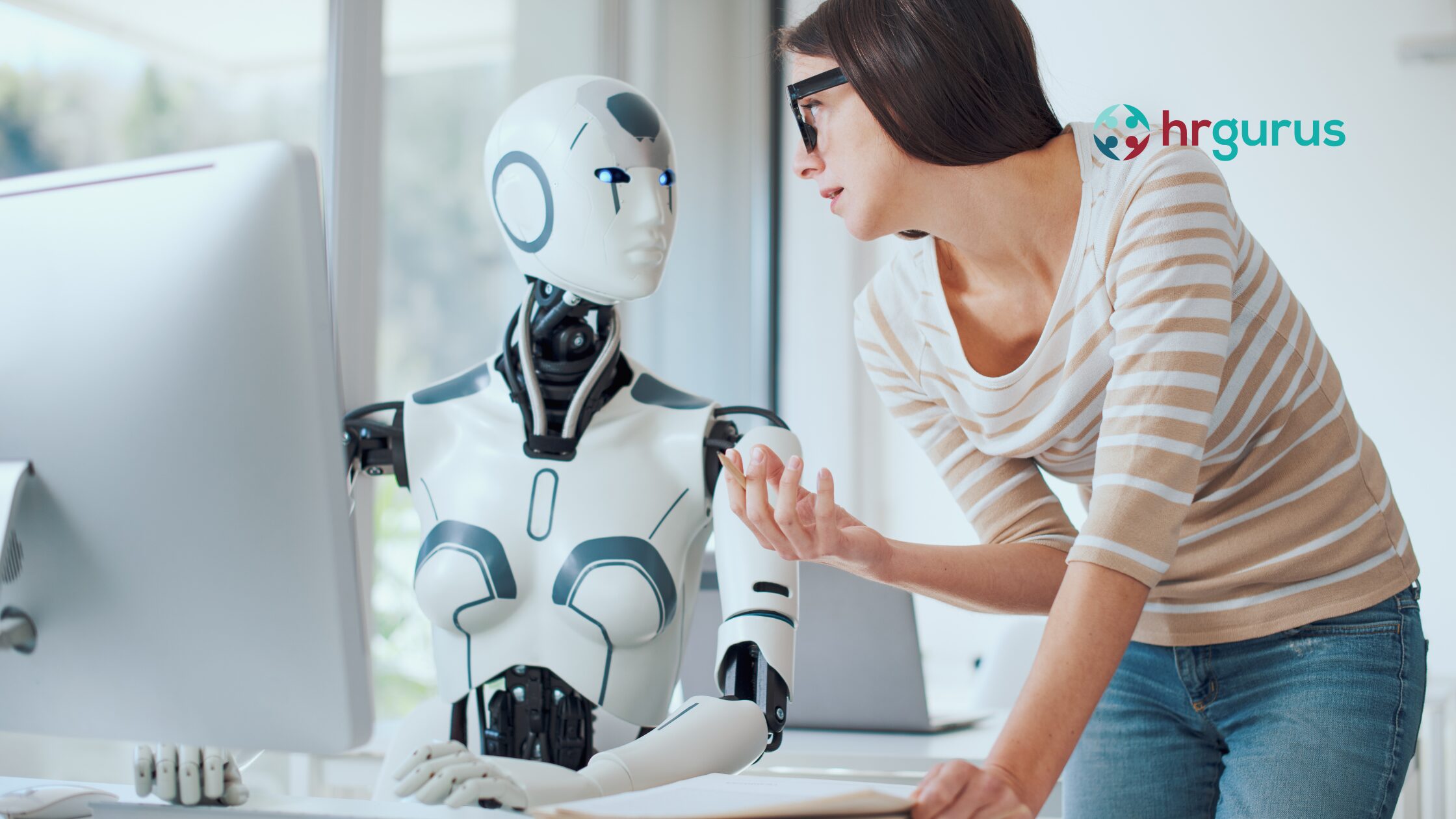
Can AI replace HR teams?
No, and here’s the two-column maths again. AI can absolutely handle the admin: contracts, policy templates, rostering, first-draft letters, FAQ style queries. That’s the column everyone’s excited about because the cost saving is obvious and easy to point to.
What it can’t do is the column most businesses forget to measure: judgement calls. A restructure that needs to hold up if challenged. A termination conversation that goes sideways. A bullying complaint where the story depends on who you ask. An underperformer who might just need better management, not a PIP. That’s not a data problem an AI can pattern-match its way through, it’s a risk and relationship problem that needs a human who knows your business and can be held accountable for the call.
The businesses getting burned right now, in HR and everywhere else, are the ones that automated the whole job instead of the parts that were actually safe to automate. AI can take the admin off your HR person’s plate. It can’t be your HR person.
What should you ask before you automate or outsource a role?
Before you sign off on any AI tool or outsourced arrangement, ask:
- What exactly is being automated or outsourced, and what isn’t?
- What happens to the people whose work is being replaced?
- Is there a genuine plan for redirected capacity, or just a saved cost?
- What’s the real cost of getting it wrong, in rehiring, lost customers, or reputational damage?
- Who owns the decision to pull the plug if it’s not working?
FAQ
Is AI a bad idea for small and medium businesses?
No. IKEA’s example shows AI can work well when it’s paired with a real plan for the people it displaces. The risk isn’t the technology, it’s cutting a role without a plan for what happens next.
Why are big companies like Ford and IBM rehiring after AI cuts?
Most cut roles based only on projected cost savings, without a plan for the skills or capacity gap that created. When quality dropped or the pipeline dried up, they had to rehire, often at greater cost than the original saving.
Can AI replace an HR team?
No. AI can handle HR admin well, but it can’t own the judgement calls, restructures, terminations, complaints and performance conversations that carry real risk. Those need a human who’s accountable for the outcome.
What should I do if I’m considering AI or an outsourced provider for my business?
Ask what happens to your team’s time and skills once the routine work is automated or outsourced. A genuine transformation has an answer. A cost cut doesn’t.



Get a personal consultation.
Call us today at 1300 959 560.
Here in HR Gurus. We make HR simple because it should be.