
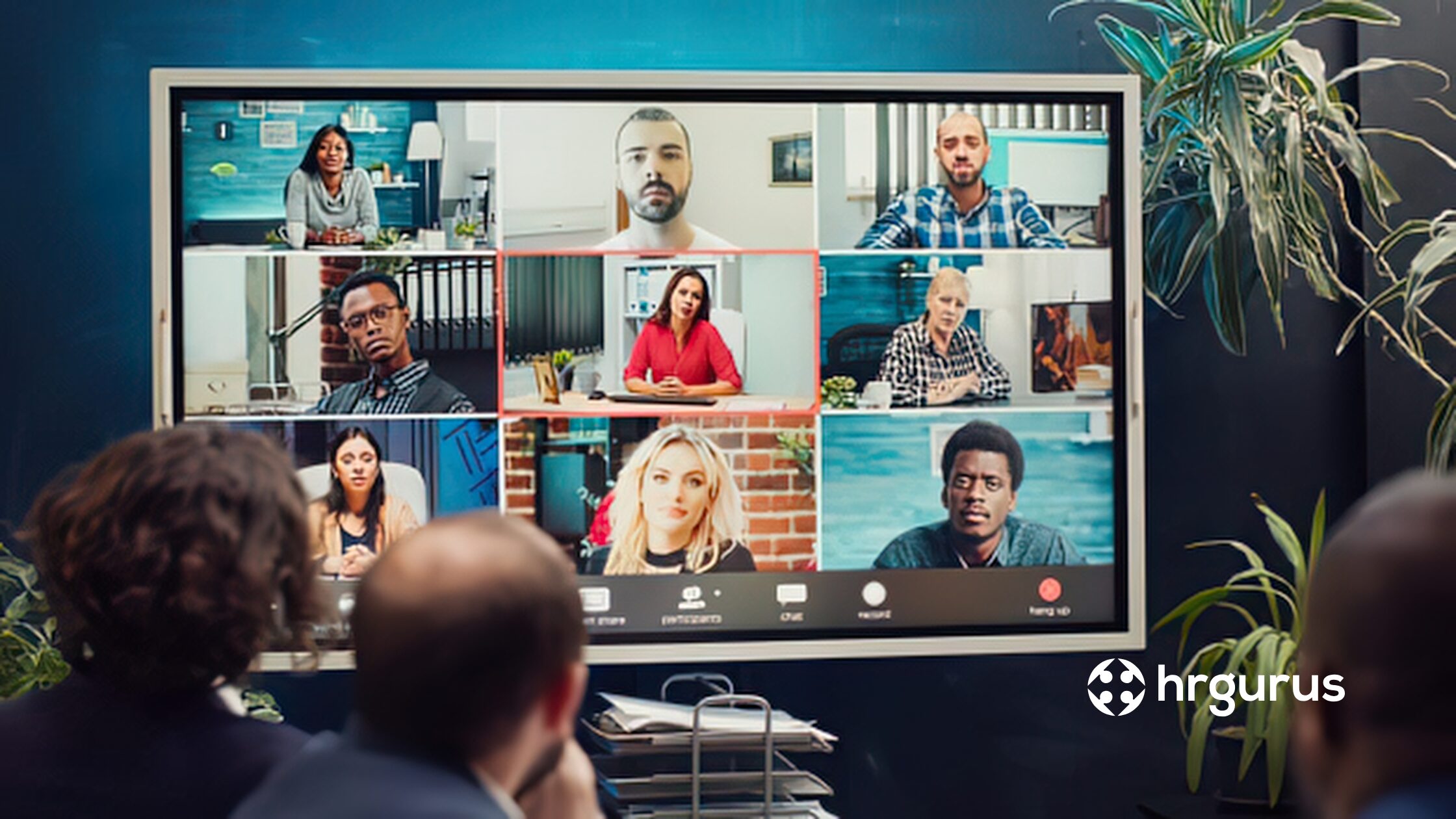
Victoria’s Equal Opportunity Amendment (Work from Home) Bill 2026 is due to start on 1 September. Before it’s even passed, the state’s biggest employer groups are telling the Government it won’t work in its current form.
The Victorian Congress of Employer Associations (VCEA), backed by the Victorian Chamber of Commerce and Industry and Australian Industry Group, has released a 10-point plan to overhaul the Bill. Their warning is blunt: without changes, this becomes a costly, complex and unworkable regime for employers.
If you read our original breakdown of this Bill and our previous blog, none of this will surprise you. We said then that a well-intentioned idea had been turned into a rigid legal entitlement without enough thought for how it plays out on the ground. The VCEA’s plan is basically confirmation.
What the VCEA is actually asking for
The 10-point plan covers a lot of ground, but the core asks are:
- A hard two-day cap on the WFH right, so it can’t stack on top of existing flexible arrangements
- Delayed start for businesses under 200 employees, giving smaller operators more runway
- Broader grounds for refusing a WFH request
- Stronger employer powers to manage productivity and safety for remote staff
- The right to review, pause or revoke an arrangement if circumstances change
- A tighter, clearer definition of ‘reasonable employer costs’
- Power for the Victorian Equal Opportunity and Human Rights Commission (VEOHRC) to quickly toss out frivolous or vexatious complaints
- A legally reliable checklist or code for responding to WFH notices
- Limiting the right to employees whose primary place of employment is in Victoria
- Clarity on how the pro-rata entitlement works for casuals and part-timers
On top of the 10 points, employer groups also want the whole thing pushed back to 1 March 2027. Their argument is that the Bill could get Royal Assent only weeks, or even days, before businesses are expected to be compliant. That’s not enough time to rewrite policies, train managers and work out who’s covered.
Why this matters even if you’re not in Victoria
Two reasons.
First, if you’re a Victorian employer, this is a live fight. The Bill’s current form and the version that might actually pass could look quite different by September. Building your compliance plan around today’s draft is risky when the ground is still moving.
Second, Victoria is the test case. Other states are watching. If this passes largely intact, expect the conversation to spread. If it gets watered down under pressure, that’s useful ammunition for employers everywhere pushing back on similar proposals down the track.
What smart employers are doing right now
Whatever happens with the amendments, the direction of travel is clear: flexible work is moving from a discretionary conversation to a legal entitlement. Businesses that wait for the final version before doing anything will be scrambling in August.
The businesses in better shape right now are the ones that have already:
- Mapped which roles can genuinely be done remotely and which can’t, with reasons that hold up
- Updated flexible work and WFH policies so they’re not relying on outdated templates
- Trained managers on how to assess and respond to a WFH request without creating a discrimination risk
- Worked out what ‘reasonable costs’ actually means for their business before a regulator does it for them
One HR Gurus client, a mid-sized construction business, came to us assuming they’d need to say yes to almost every WFH request once the law landed. Once we mapped their roles against the actual statutory factors, it turned out a third of their roles had a legitimate basis for refusal, and the rest just needed clearer criteria and paperwork. That’s the difference between reacting in a panic and having a defensible position ready to go.
Where this leaves you
Nothing is locked in yet. But 1 September is closer than it feels, and the VCEA’s own submission makes the point that a compressed timeline helps nobody, including the Government. Don’t wait for the final text to start getting ready.
Frequently Asked Questions
Does this law apply to my business if I have staff outside Victoria?
The employer groups are pushing for the right to be limited to employees whose primary place of employment is in Victoria. In the current draft that boundary is not as clear as it should be. If you have a mixed workforce across states, get advice on how coverage is likely to be assessed before September rather than assuming it will sort itself out.
Can I just say no to a work from home request under this Bill?
Not without grounds. The Bill creates a legal entitlement, not just a right to ask. You will need legitimate reasons to refuse, and vague references to culture or collaboration are unlikely to hold up. The VCEA is pushing for broader refusal grounds and a reliable checklist for employers to follow, but until those changes are confirmed, the grounds available to you remain narrower than most employers expect.
The Bill hasn’t passed yet. Should I wait until it does before doing anything?
No. The direction is clear even if the final text is not. Employer groups are pushing for a delayed start to 1 March 2027, but that is not confirmed. If the Bill passes close to the current 1 September date, businesses could have only days or weeks to be compliant. The employers in the best position right now are the ones mapping their roles and updating their policies before the final version lands, not after.
What if we already have a flexible work arrangement in place? Does the new law override it?
That depends on how the amendments land. One of the VCEA’s core asks is a hard cap preventing the WFH right from stacking on top of existing flexible arrangements. Until that is resolved, businesses with existing arrangements cannot assume they are covered. Review what you currently have in writing and check whether it would satisfy the Bill’s requirements if tested.
If you want a hand working out what this actually means for your business, get in touch with HR Gurus. We’ll cut through the B.S. and give you a plan, not just a policy update.
To learn more about our WFH toolkit click here.
- About the Author
- Latest Posts

Director and founder of HR Gurus, Emily is a talented and award winning HR professional with over 15 years experience and a proven track record in all areas of strategic and operational Human Resource Management.


Get a personal consultation.
Call us today at 1300 959 560.
Here in HR Gurus. We make HR simple because it should be.