
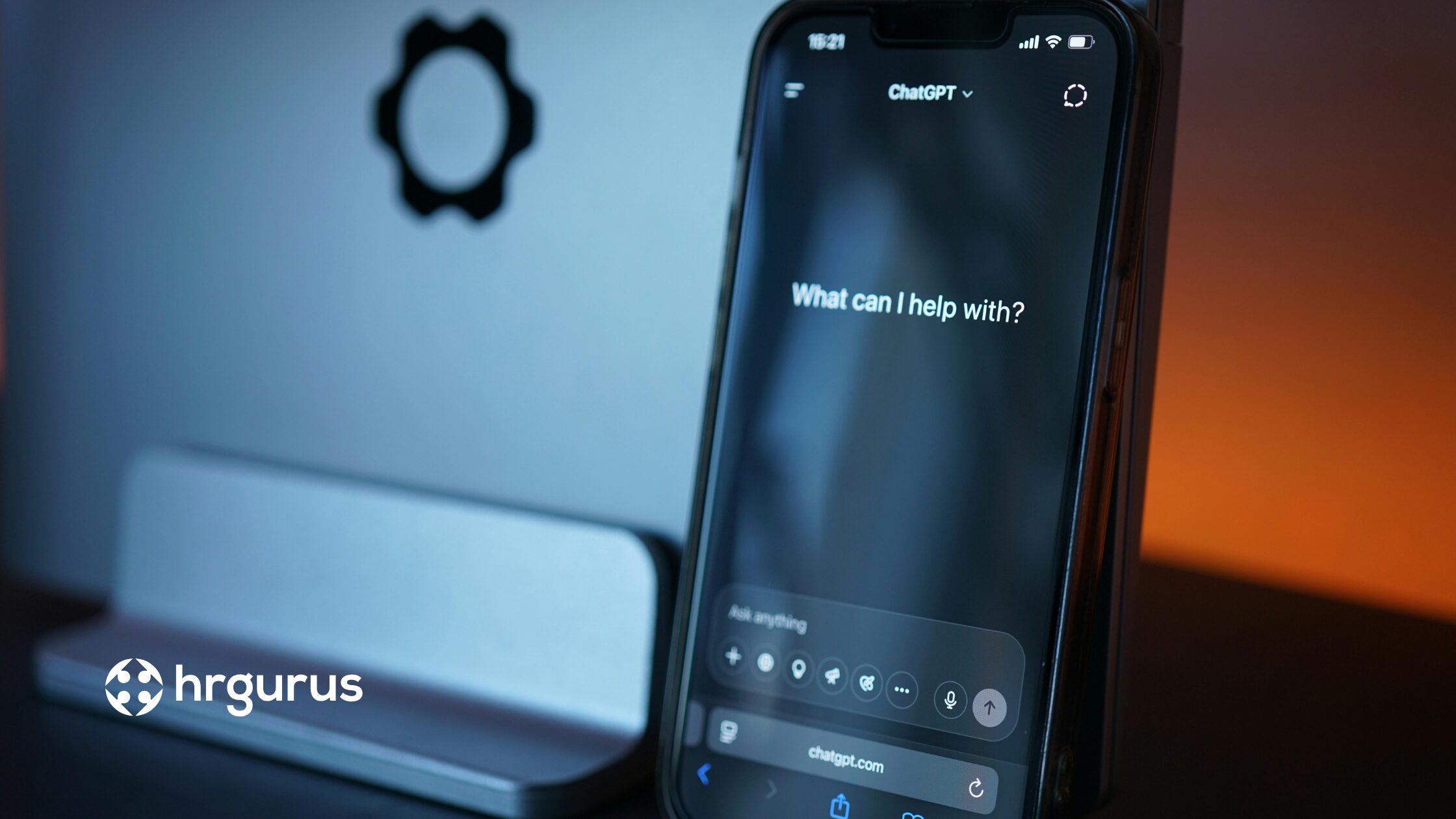
An Australian employee has just used AI to help win a Fair Work Commission case against Macquarie University.
Greg Baker, a computing academic, represented himself in a casual employment dispute and used multiple paid AI tools, including ChatGPT Pro, to research decisions, test arguments, follow references and prepare his case.
For employers, the bigger story is what happens next.
Employees no longer need a working knowledge of the Fair Work Act, an HR background or thousands of dollars for an employment lawyer before they can start pulling apart a workplace decision.
We’ve already seen what that looks like in our own work.
A standard, properly drafted written warning goes out.
A 17-page response comes back.
Not from a lawyer. From AI.
Welcome to performance management in 2026.
Quick answer: AI doesn’t make a weak employee claim strong. It does make claims easier and cheaper to research, prepare and pursue. For employers, that means warnings, performance processes and dismissals need to stand up to scrutiny from the start.
What happened in the Greg Baker v Macquarie University Fair Work case?
Baker had been teaching computer science at Macquarie University across consecutive semesters from 2023 to 2025.
In November 2025, he notified the university that he believed his employment no longer satisfied the statutory definition of casual employment.
The university disagreed, so Baker took the dispute to the Fair Work Commission and represented himself.
What makes the case unusual is how he prepared.
Baker has said he used multiple paid AI agents, including ChatGPT Pro, to help assemble material, research authorities, follow references and test the university’s arguments.
The matter went to arbitration on 12 May 2026, and the Commission later found in Baker’s favour.
The casual employment point matters in its own right. Employers regularly engaging casual workers should understand the current casual conversion rules for Australian employers.
But the bigger issue is access.
Baker didn’t need AI to be his lawyer. He used it to make a complicated system easier to interrogate.
That’s the shift employers need to pay attention to.
This is already happening, at the Commission and in employers’ inboxes
The Fair Work Commission itself says AI is affecting its workload.
In a February 2026 presentation titled A disrupted future: Artificial intelligence and the Fair Work Commission, FWC President Justice Adam Hatcher said the Commission’s total workload was likely to have increased by more than 70 per cent in three years.
His view on the cause was unusually direct. He considered increasing use of AI tools by potential litigants to be the principal explanation for the growth.
Hatcher had tested the problem himself.
He gave ChatGPT a hypothetical dismissal scenario and asked what he could do. In less than ten minutes, it produced a section 365 application and witness statement ready to file. The material included substantially invented facts and suggested a compensation range for a case Hatcher considered did not have good prospects.
You can read Justice Hatcher’s presentation on the Fair Work Commission website.
We’re seeing the same problem from the employer side.
A properly drafted warning can now produce a 17-page response that looks like it came from a legal team.
The warning itself might still be sound. The evidence might still be there. But somebody has to read the response, check claims against the file, separate actual issues from legal-sounding padding and identify anything new that needs investigation.
That’s a real employer cost.
AI doesn’t need to make a weak claim successful to make it expensive. It only needs to make the claim time-consuming.
And this is where employers need to stay disciplined.
If 17 pages contain three points that matter, deal properly with those three points.
Don’t write another 17 pages because ChatGPT wrote the first 17.
Does a long AI-generated employee response mean the employer is in trouble?
No.
Length isn’t evidence.
That’s the only time we’re going to make that point because it doesn’t need saying five different ways.
A 20-page response can contain one weak argument. A two-paragraph response can raise something that completely changes the matter.
The useful questions are much simpler.
Does the response raise a new fact? Does it contradict your evidence? Does it expose a problem in the process? Does it raise a workplace right or another legal risk you haven’t considered?
If it does, deal with it.
If it doesn’t, don’t let impressive formatting or legal language throw the process off course.
If an employee has already mentioned making a claim, our guide on what to do when an employee threatens Fair Work is worth reading.
What should employers check before issuing a warning or dismissal?
The fundamentals haven’t changed.
You need a proper reason for the action you’re taking. You need evidence. The employee needs to understand the concern and have an appropriate opportunity to respond.
What has changed is the likelihood that every word you’ve written will be scrutinised.
Before a warning or dismissal goes out, ask whether someone with no involvement in the matter could open the file and understand what happened, what expectation applied, what evidence supports the concern and what the employee said in response.
That doesn’t mean creating a 40-page HR file for every conversation. It means making sure your documentation tells the same story as your decision.
Our performance management guide for employers covers the basics.
Recent Fair Work cases also show why process matters.
In the SC Hydro decision, the Commission accepted there was a valid safety-related reason for dismissal but still found the dismissal unfair because of how the process was handled.
We broke that down in Valid Reason Isn’t Enough: What SC Hydro’s Unfair Dismissal Loss Teaches SME Employers.
There’s a similar lesson in our Qube Ports dismissal case analysis if you want another example.
AI doesn’t create problems in a weak process.
It makes them easier to find.
The Fair Work Act was supposed to make this simpler
There’s an irony in all of this.
Section 3 of the Fair Work Act says one of the Act’s objects is to provide a balanced framework for cooperative and productive workplace relations that promotes national economic prosperity and social inclusion.
The Act talks about laws that are fair to working Australians while also being flexible for businesses and promoting productivity and economic growth.
You can even read it on the Fair Work Act on the Federal Register of Legislation.
Simplicity wasn’t an accidental side issue when the system was created.
The explanatory material accompanying the Fair Work reforms said Australia’s workplace relations legislation should provide a clear and stable framework, be simple and straightforward to understand and reduce the compliance burden on business.
The modern award system was supposed to be simpler too.
Julia Gillard made the same argument publicly at the time, describing modern awards as “simpler to understand and easier to apply in the workplace.”
That was the ambition.
Fast-forward to 2026 and employers are dealing with the Act, regulations, modern awards, enterprise agreements, Commission decisions, Full Bench interpretations and years of case law sitting on top of concepts such as casual employment, valid reason, procedural fairness, workplace rights and adverse action.
The plain words of the Act are only one part of understanding what an employer can actually do.
That’s the gap AI is stepping into.
When a system becomes difficult to navigate, a tool that can explain and search it becomes extremely attractive.
The maths makes having a crack incredibly easy
From 1 July 2026, the Fair Work Commission application fee for an unfair dismissal application is $92.70.
That’s the Fair Work Commission’s current 2026 to 2027 application fee.
AI assistance can be free. Even premium AI subscriptions cost a fraction of engaging an employment lawyer.
At the other end, the statutory unfair dismissal compensation cap for a dismissal occurring on or after 1 July 2026 is $95,050, subject to the employee-specific remuneration cap.
The Fair Work Commission confirms the current compensation cap and how it is calculated.
Put those numbers next to each other.
$92.70 to lodge.
AI that may cost nothing extra.
A statutory compensation ceiling that can reach $95,050.
That does not mean someone who pays $92.70 has a realistic chance of receiving $95,050.
The Commission says the median compensation awarded in unfair dismissal matters is around five to seven weeks’ pay, and less than 0.4 per cent of applicants receive the maximum compensation limit.
Those figures come directly from the Fair Work Commission’s unfair dismissal compensation guidance.
The behavioural point is simpler.
The cost of testing a claim is tiny compared with the perceived upside.
Someone who would never have spent thousands of dollars asking a lawyer to analyse a warning or dismissal can now ask an AI tool that evening and lodge an application relatively cheaply.
That’s not necessarily abuse of the system.
It’s basic incentives.
Employers should expect people to respond to them.
Maybe the bigger question isn’t AI. Maybe it’s the remedy.
This is the part of the debate we think deserves more attention.
If AI makes it easier and cheaper to test employment claims, arguing about whether people should be allowed to use ChatGPT misses the point.
They’re going to use it.
The more interesting question is what the system should actually do when an unfair dismissal claim succeeds.
Under the Fair Work Act, reinstatement isn’t some obscure theoretical option.
The Commission has to consider whether reinstatement is appropriate before moving to compensation. Section 390 provides that compensation must not be ordered unless the Commission is satisfied reinstatement is inappropriate.
In practice, reinstatement is rare. The Fair Work Commission explains reinstatement as an unfair dismissal remedy here.
And that’s understandable.
By the time an unfair dismissal dispute has gone through allegations, submissions, conferences and hearings, the employment relationship may be completely cooked.
But it’s still worth asking whether the current remedy settings create the right incentives.
If the dismissal was fair, the claim should fail.
If the dismissal was genuinely unfair, should reinstatement play a bigger practical role?
And where compensation is the answer, should it stay meaningfully connected to actual economic loss rather than allowing the perception of a large payout to become part of the incentive to test a weak claim?
We’re not suggesting employers should face no consequences for unfair dismissal.
They should.
The question is whether remedy design becomes more important as technology makes litigation easier to commence.
That’s a more useful policy conversation than trying to stop people typing employment questions into ChatGPT.
The AI slop problem is real. So is the access-to-justice point.
AI makes it incredibly easy to produce confident, lengthy nonsense.
That costs employers time. It costs the Commission time. It can make fairly simple disputes much harder than they need to be.
There’s another side to it.
An employee who genuinely has been treated unfairly but can’t afford an employment lawyer now has tools that can help them work out where to start.
That’s a genuine access-to-justice benefit.
The Baker case is a good reason not to dismiss every AI-assisted claim as rubbish.
Used carefully, AI can help someone organise information, interrogate arguments and understand a system they previously couldn’t navigate.
That’s very different from blindly copying whatever ChatGPT produces.
Employers need to be alive to both.
What should employers do differently now?
Don’t build an AI strategy for Fair Work claims.
Build a good HR process.
Make expectations clear. Establish what actually happened. Make sure warnings accurately describe the issue. Genuinely consider what the employee says in response.
If you’re dismissing someone, make sure the reason you’re relying on is the reason you’re actually dismissing them.
And document the important bits while they’re happening.
A useful test is:
If every document in this file ended up in front of the Fair Work Commission tomorrow, would you still be comfortable with what it shows?
That’s a much better question than whether you think the employee will actually take you to Fair Work.
In 2026, that’s becoming harder to predict.
If the facts are disputed, workplace rights are involved, documentation doesn’t line up or you’re getting the feeling the process could come back at you, get another set of eyes over it before the decision goes out.
That’s exactly the sort of work HR Gurus does.
FAQs: What else are employers asking?
Can an employer continue performance management after an employee threatens Fair Work?
Potentially. Mentioning Fair Work doesn’t automatically prevent legitimate performance management from continuing. Employers do need to be careful about workplace rights, timing and the real reason for any later action. If those issues are becoming tangled, get advice before proceeding.
Can employers stop employees using AI in a Fair Work dispute?
Not in any practical sense. Employers can set rules around workplace systems, confidential information and appropriate use of company technology, but once an employee is dealing with their own dispute, AI is simply another tool available to them. The better protection is a process that can withstand scrutiny.
Should employers assume employee complaints are AI-generated now?
No. Whether AI helped write something isn’t the important question. Assess the substance of the complaint, the evidence behind it and whether it raises anything that needs to be investigated or considered.
The employer takeaway
AI hasn’t rewritten the Fair Work Act.
It has changed access to it.
An employee can put a warning, performance plan or termination letter into an AI system and start pulling it apart almost immediately.
Sometimes they’ll uncover something important. Sometimes they’ll generate 17 pages of beautifully formatted nonsense.
Employers don’t need to guess which one they’re going to get.
They need a process that can withstand both.
If your evidence is sound, your reasoning is clear and the process is fair, ChatGPT doesn’t suddenly make it weak.
But if there are holes, assume they’re becoming much easier to find.
About to issue a warning, performance plan or dismissal and want someone to stress-test it first? Talk to HR Gurus. It’s much easier to fix a process before it goes out the door than after a Fair Work claim comes back through it.



Get a personal consultation.
Call us today at 1300 959 560.
Here in HR Gurus. We make HR simple because it should be.