
AI-generated unfair dismissal claims in Australia are surging, pushing the Fair Work Commission’s workload up 70% in three years. Here’s what it means for employers.
Artificial intelligence isn’t just changing how we work.
It’s changing how we get sued.
In February 2026, Fair Work Commission President Justice Adam Hatcher confirmed something many of us in HR have been sensing for a while:
AI-generated unfair dismissal claims in Australia are helping drive a 70% increase in the Commission’s workload over the past three years.
Unfair dismissal claims alone are up 41% between 2022–23 and 2024–25.
And no, this isn’t because the economy tanked.
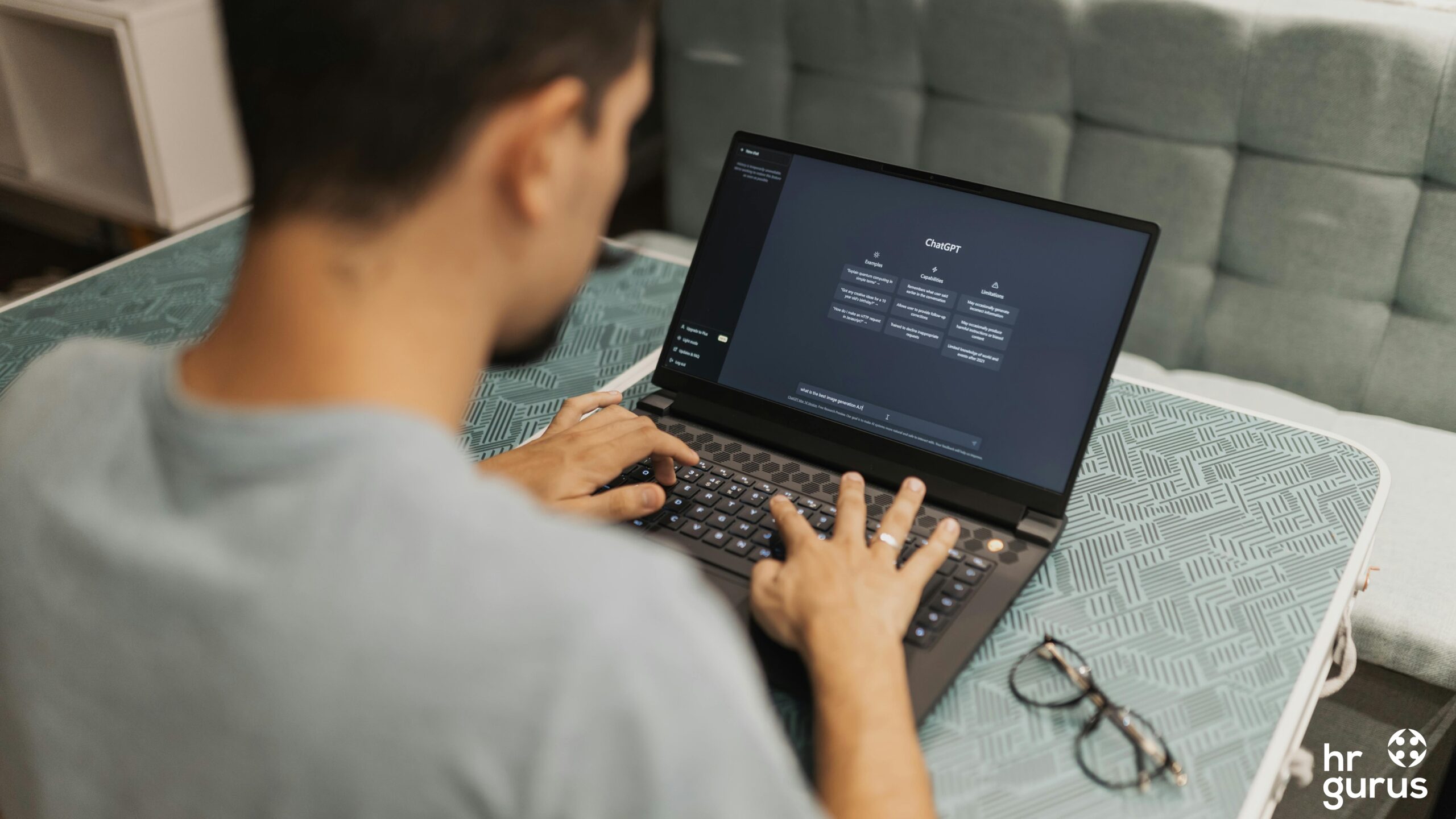
It’s because anyone with Wi-Fi and a grievance can now draft a tribunal-ready application in under ten minutes.
Let that sink in.
Quick answer: why are AI-generated unfair dismissal claims increasing?
Because AI has removed the friction.
Employees can now:
- Ask ChatGPT if they have a case
- Draft a Form F2 application
- Generate a witness statement
- Estimate compensation
- Reframe their matter as a general protections claim
All without calling a lawyer.
What used to require time, money and confidence now requires a keyboard.
When friction drops, volume rises. Simple as that.
What the Fair Work Commission actually said
Justice Hatcher told the Victorian Bar Association that:
- The FWC workload has increased 70% in three years
- Unfair dismissal claims are up 41%
- General protections claims are rising even faster
- AI is being used to “gloss up” weak claims
- The Commission can now spot AI-generated language
He even tested ChatGPT himself using a hypothetical dismissal.
In under ten minutes it produced:
- A ready-to-file application
- A witness statement
- A compensation estimate of $15,000–$40,000
- And, awkwardly, some invented facts
That’s not a future trend.
That’s happening now.
Are AI-generated claims legitimate?
Yes. They absolutely can be.
If the dismissal was harsh, unjust or unreasonable, it doesn’t matter who drafted the application. The legal test hasn’t changed.
The Commission still looks at:
- Was there a valid reason?
- Was procedural fairness followed?
- Did the employee get a chance to respond?
- Was the decision proportionate?
AI doesn’t change the law.
It just makes it easier to access.
That said, AI tools can overstate prospects or invent details. And if an applicant files something inaccurate, credibility takes a hit fast.
Why this isn’t about redundancy cycles
Historically, unfair dismissal claims tracked retrenchments.
More layoffs. More claims.
But Justice Hatcher confirmed that relationship has broken down.
This spike isn’t about economic downturns.
It’s about technology.
That makes this a structural shift, not a temporary blip.
The real risk for employers
The risk is not necessarily losing more cases, it’s in defending more cases.
Even weak claims cost you:
- Time
- Documentation
- Manager hours
- Legal spend
- Emotional energy
Conciliation still happens. Responses still need drafting. Evidence still needs pulling together.
AI hasn’t changed the legal test.
It’s changed the volume of noise.
Why general protections claims are the bigger issue
This is where it gets spicy.
AI tools are increasingly suggesting general protections claims instead of unfair dismissal.
Why does that matter?
Because general protections claims:
- Have no minimum service period
- Reverse the onus of proof
- Carry broader legal exposure
- Are more complex and costly to defend
If someone doesn’t meet the six-month qualifying period, AI may recommend reframing the claim.
That’s a serious shift in risk.
Can the Commission detect AI?
According to Justice Hatcher, yes.
The FWC is:
- Identifying patterns in AI-generated language
- Trialling disclosure forms asking whether AI was used
- Researching AI-assisted litigation
- Exploring process reforms
Regulators aren’t asleep at the wheel.
So what should smart employers do?
Don’t panic.
Upgrade.
- Tighten procedural fairness
Every dismissal should include:
- Clear allegations
- Proper investigation
- Opportunity to respond
- Documented reasoning
- A proportionate outcome
If your process is solid, AI doesn’t matter.
If your process is sloppy, AI will expose it.
- Get serious about documentation
Verbal warnings won’t cut it anymore.
If it’s not written down, it didn’t happen.
- Audit your performance management
Ask yourself:
- Are expectations clear?
- Are KPIs measurable?
- Are warnings consistent?
- Are managers trained?
In a world of AI-generated unfair dismissal claims in Australia, “we had a chat about it once” is not a defence.
What this means long term
Expect:
- Higher claim volumes
- More polished applications
- Increased regulatory scrutiny
- Possible legislative tweaks
- Greater pressure on employer process
This isn’t about robots replacing lawyers.
It’s about legal drafting being democratised.
And when access expands, usage expands.
Frequently asked questions
What are AI-generated unfair dismissal claims?
Tribunal applications drafted using AI tools like ChatGPT to prepare forms, arguments or witness statements.
Is it illegal to use AI to file a claim?
No. But submitting false information can damage credibility and derail the case.
Are employers more likely to lose?
Not necessarily. The legal test hasn’t changed. Volume has.
What’s the biggest employer risk?
Poor documentation and weak procedural fairness.
Should HR teams change their processes?
Yes. Stronger governance and consistent performance management are now essential.
The bottom line
In 2026, anyone can draft a tribunal-ready claim in ten minutes.
That’s the reality.
Defending it still takes preparation, evidence and process.
If your termination decisions are disciplined, documented and fair, you’ll sleep at night.
If they’re rushed, emotional or poorly recorded?
AI just made that a very expensive habit.
You don’t need scare tactics.
You need solid process and someone who actually knows what they’re doing.
If you’d like a no BS conversation about where you stand and how to tighten things up before it costs you, book a free chat with our expert team.
We’ve got your back.
BOOK A CALL
Written by Jessy Warn, HR Gurus.
- About the Author
- Latest Posts

Jessy brings over 15 years of real-world HR experience and a no-nonsense approach to even the trickiest people problems. She’s calm in a crisis, sharp on compliance, and brilliant at guiding leaders through the tough stuff.
We call her the calmer of storms for a reason. When things get messy, Jessy gets it sorted.



Get a personal consultation.
Call us today at 1300 959 560.
Here in HR Gurus. We make HR simple because it should be.